
Why There Are So Many Horrific Manhood Enlargement Horror Stories

As a board-certified urologist with over 25 years of experience, I have never had a patient ask me for ways to decrease the size of his manhood. In fact, a rather large percentage of the men that I regularly treat are always interested in how they can increase the size of the package below their belt. I have also seen patients who have undergone enhancement surgeries and procedures that have gone horribly wrong, which have left them either incapable of getting an erection for the rest of their lives and even decreasing their overall size. Can you imagine what it would feel like to pay thousands of dollars for a risky or unproven enlargement surgery only to end up with a non-functioning penis or a deduction in length? That’s why I constantly urge men to speak with trusted experts that specialize in these forms of treatments – especially those that have the evidence to back up the efficacy behind promoted results. If you are considering any type of enhancement procedure, I recommend you CLICK HERE to read about the horrors men have experienced from various enlargement procedures.
See Why the Sexual Medicine Society of North America Advises Avoiding Penile Enhancement Surgery and Fillers
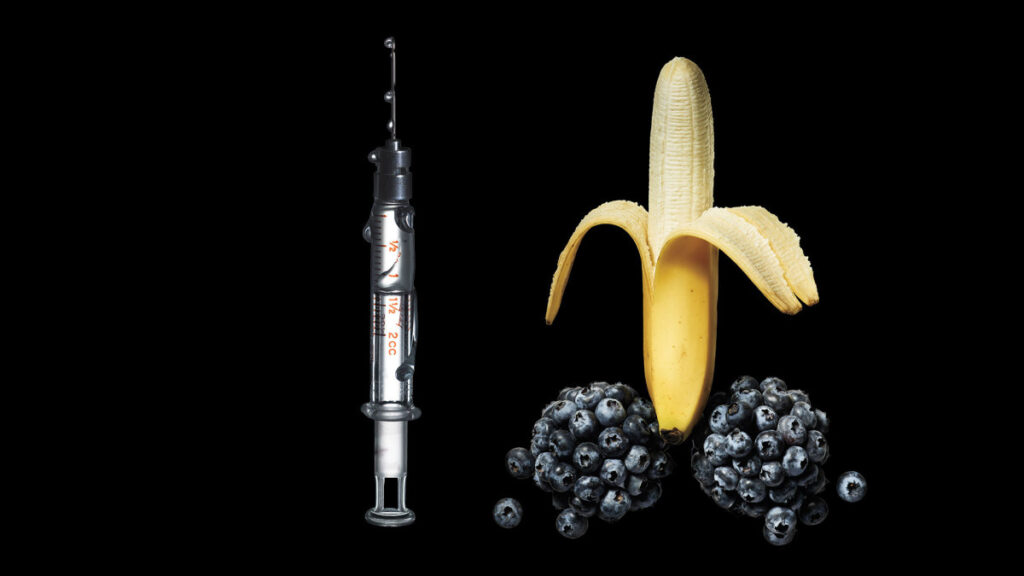
In a recent announcement, the Sexual Medicine Society of North America (SMSNA) has taken a firm stance on cosmetic penile enhancement procedures, emphasizing the potential risks and complications associated with various methods such as penile implants, fillers, and surgeries. According to the SMSNA, these procedures often come with significant downsides, including infection, scarring, and dissatisfaction with results. As men seek solutions to enhance their penile size and function, it’s crucial to explore safer and more effective alternatives. The SMSNA’s Position on Traditional Penile Enhancement Procedures The SMSNA’s position highlights several key concerns with traditional penile enhancement methods: Penile Implants: These devices are surgically placed inside the penis to provide rigidity. While they can be effective for erectile dysfunction, using them solely for cosmetic enhancement can lead to serious complications. Risks include infection, mechanical failure, and erosion through the skin. Recovery can be prolonged, and the results may not always meet the patient’s expectations. View more studies revealing the complications of penile implants. Dermal Fillers: Similar to cosmetic fillers used in facial enhancements, penile dermal fillers are injected into the penis to increase girth. However, these fillers can cause lumps, asymmetry, and an unnatural appearance. Over time, they may migrate or cause inflammatory reactions, requiring further medical intervention to correct these issues. Penile Lengthening Surgery: This surgical procedure involves cutting the suspensory ligament of the penis and sometimes grafting additional tissue. While it can result in a lengthened appearance, the risks are substantial. Complications can include loss of erectile function, scarring, and downward angling of the penis. Moreover, the actual increase in length when erect is often minimal, leading to patient dissatisfaction. Fat Transfer: Fat from another part of the body is injected into the penis to enhance girth. This procedure carries risks such as fat reabsorption, where the body gradually absorbs the injected fat, leading to loss of the desired effect. There is also the risk of uneven distribution of fat, resulting in a lumpy or misshapen penis. View this study focusing on Penile Girth Augmentation By Injectable Fillers: Inflammatory Complications. Silicone Injections: Silicone can be injected into the penis to increase size. However, this practice is particularly dangerous as it can lead to severe complications such as granulomas, chronic inflammation, and even necrosis (tissue death). Removing silicone is challenging and often requires extensive reconstructive surgery. View this study about the complications associated with injecting the penis with silicone. Given these significant issues, there is a growing need for a safe and effective penile enhancement solution. Enter the P-Long Protocol. The P-Long Protocol: A Revolutionary Approach Unlike the conventional methods criticized by the SMSNA, the P-Long Protocol offers a groundbreaking alternative that addresses the core concerns of safety and efficacy. Here’s why the P-Long Protocol stands out: Below is the P-Long Study Abstract, which was presented by Clinical Researcher and Board-Certified Urologist Dr. Judson Brandeis at the SMSNA Joint Scientific Meeting in 2022. The P-Long Study: Evidence of Excellence The P-Long Study, conducted by Dr. Judson Brandeis, provides a comprehensive evaluation of the P-Long Protocol’s outcomes. The study’s findings underscore several key benefits: Why Choose the P-Long Protocol? For men considering penile enhancement, the P-Long Protocol offers a superior choice that aligns with the SMSNA’s emphasis on safety and efficacy. Here are the compelling reasons to choose P-Long: As the SMSNA cautions against the risks of traditional penile enhancement procedures, the P-Long Protocol emerges as a safe, effective, and scientifically supported alternative. With the backing of the P-Long Study and the expertise of Dr. Judson Brandeis, men can confidently choose the P-Long Protocol for their enhancement needs. Say goodbye to the risks and complications of old methods and embrace a new era of penile enhancement with P-Long. To speak with a certified P-Long Provider in your community, visit P-Long.com/search References:
Why Men Shouldn’t Consider Cosmetic Fillers For Girth Augmentation
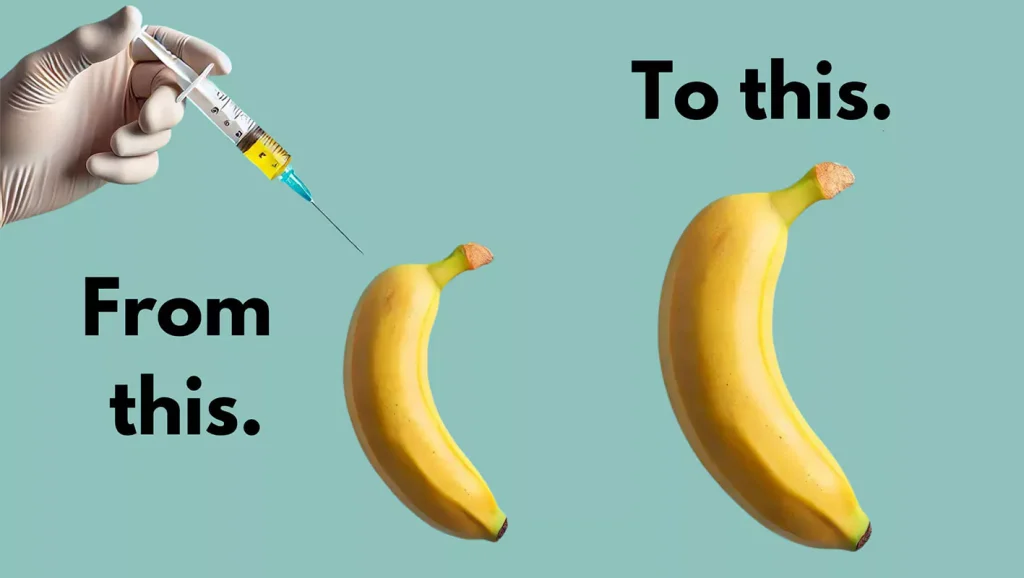
The idea of girth augmentation is nothing new. Men have been striving for a larger penis size since ancient times. In fact, there are many references to penis enlargement in ancient Greek, Roman, and Egyptian texts. The most common method of girth augmentation in the past was through the use of penile weights. While this method is still used today, the introduction of cosmetic fillers has provided men with a new way to achieve a larger penis size. However, there are several risks associated with the use of cosmetic fillers for girth augmentation that men should be aware of before considering this type of procedure. Risks Associated With The Use Of Cosmetic Fillers For Girth AugmentationOne of the major risks associated with the use of cosmetic fillers for girth augmentation is the risk of infection. The injection site is often located in close proximity to the testicles, which increases the risk of infection if the injection site is not properly cared for. In addition, the injected materials may also be rejected by the body, which can cause inflammation and pain. There have also been reports of impotence and erectile dysfunction following treatment with cosmetic fillers. Because of these risks, it is important for men to consult with a board-certified urologist before considering this type of procedure. Cosmetic fillers are not without risk and should not be considered as a first-line treatment for girth augmentation. Men should discuss all treatment options with a board-certified urologist before deciding on a course of action.
Why Your Belly Fat Won’t Budge Even When You Lose Weight Everywhere Else
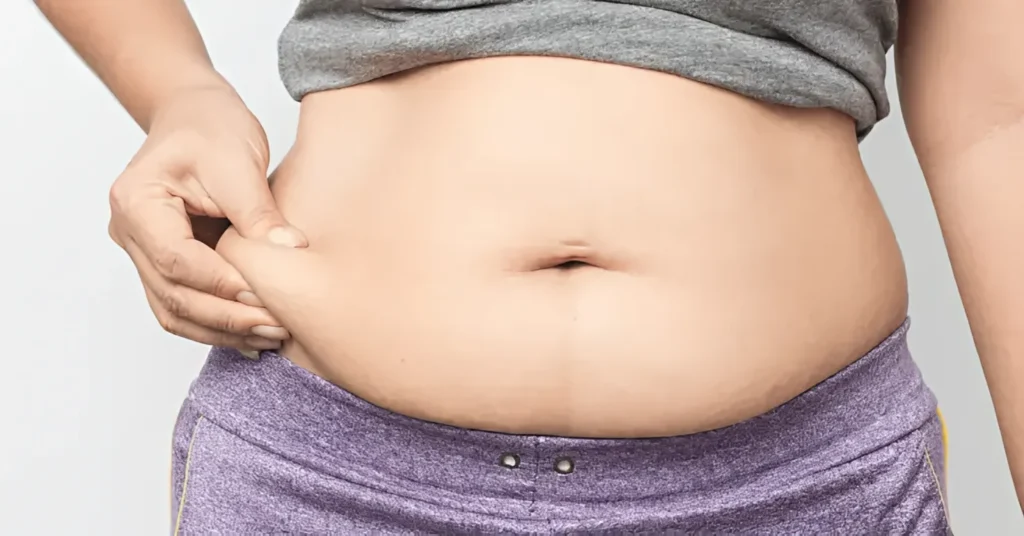
Learn why stubborn belly fat is so difficult to lose and how non-surgical treatments like Emsculpt NEO can help reduce abdominal fat in Las Vegas.
Why Am I Always Hungry Even After Eating?

Learn why constant hunger may be driven by hormones and how medical weight loss solutions in Las Vegas can help control appetite.
From Feeling Inflamed to Feeling Stuck: Why Chronic Inflammation Is Sabotaging Your Weight, Energy, and Skin

There’s a very specific way people describe how they feel when inflammation is driving the show — and it almost never starts with the word “inflammation.” Instead, they say things like “I feel puffy all the time,” or “My body feels heavy,” or “No matter what I do, I just feel stuck.” They notice bloating that comes and goes without a clear reason. Clothes fit tighter some days than others. Energy feels unpredictable. Skin doesn’t look the way it used to. And weight loss feels frustratingly out of reach. At Revival Health and Wellness, we hear this story every day. People come to us not because they’re doing nothing, but because they’re doing a lot — and still don’t feel good in their body. They’ve cleaned up their diet. They’re moving more. They’re trying to make better choices. Yet their body feels inflamed, resistant, and unresponsive. If you’ve ever searched for inflammation causing fatigue and bloating Las Vegas or chronic inflammation weight gain Las Vegas, you’re likely already sensing that something deeper is going on. And you’re right. Chronic inflammation is one of the most overlooked reasons people struggle with weight, low energy, and skin changes — even when they’re “doing everything right.” This blog is about connecting the dots. Not just explaining what inflammation is, but helping you understand how it shows up in real life, why it makes weight loss feel impossible, and what actually helps when your body feels constantly inflamed and stuck. What Chronic Inflammation Actually Feels Like Day to Day Chronic inflammation doesn’t usually announce itself loudly. It’s not an acute injury or sudden illness. It’s subtle, persistent, and frustrating. It’s the feeling that your body never quite feels settled. People often describe it as: Over time, this constant low-grade inflammation can make the body feel like it’s working against you. And when inflammation is present, fat loss becomes a low priority for the body. Survival and protection take center stage. Why Inflammation and Weight Gain Are Closely Linked One of the biggest misconceptions about weight gain is that it’s always about calories. In reality, weight gain is heavily influenced by the internal environment of the body. When inflammation is high, the body becomes more insulin resistant, meaning it has a harder time using energy efficiently. Blood sugar regulation suffers. Fat storage increases. Energy drops. Inflammation also interferes with hormone signaling. Hormones that regulate hunger, fullness, metabolism, and fat storage stop communicating effectively. This is why people dealing with inflammation often feel constantly hungry, crave sugar or carbs, or feel like their appetite is unpredictable. This is a major reason people search for reduce inflammation for weight loss Las Vegas — because they’re realizing weight loss isn’t just about eating less. It’s about calming the body enough for it to let go of stored weight. Why Dieting Alone Often Makes Inflammation Worse Many people respond to weight gain by dieting harder. They cut calories, eliminate food groups, and push through hunger. While this might work short term, aggressive dieting can actually increase inflammation long term. When the body perceives restriction as stress, cortisol rises. Cortisol can increase inflammation, disrupt sleep, and worsen insulin resistance. Over time, this creates a cycle where dieting fuels the very inflammation that’s preventing weight loss. This is why some people feel worse the longer they diet. They feel more tired, more bloated, more irritable — and less successful. Inflammation and Fatigue: Why You’re Always Tired Chronic inflammation is exhausting. When the immune system is constantly activated, it drains energy from other systems. The body prioritizes defense over performance. This is why people with inflammation often feel tired even when they’re sleeping enough. Fatigue also leads to more inflammation. When energy is low, movement decreases. Blood sugar becomes unstable. Cravings increase. Sleep quality drops. All of this feeds the inflammatory loop. This is why inflammation causing fatigue and bloating in Las Vegas is such a common search — people feel worn down without understanding why. The Skin Connection: Why Inflammation Shows Up on the Outside Skin is often one of the first places inflammation becomes visible. Chronic inflammation can slow collagen production, impair circulation, and delay healing. Skin may look dull, irritated, or prematurely aged. Puffiness and under-eye concerns are common when inflammation and fluid retention are present. Many people focus on skincare products without realizing the issue is systemic. When inflammation is reduced internally, skin often improves naturally — tone becomes more even, swelling decreases, and overall appearance looks healthier. This is why addressing inflammation isn’t just about weight — it’s about total wellness and confidence. Why Exercise Doesn’t Always Help Inflammation Exercise is often recommended as a solution for inflammation — and it can be helpful when done correctly. However, too much or overly intense exercise without adequate recovery can increase inflammation instead of reducing it. When the body is already inflamed, pushing harder can elevate cortisol and prolong recovery. This is why some people feel more sore, more swollen, or more exhausted the more they exercise. The goal isn’t to stop moving — it’s to support recovery and reduce internal stress so movement becomes beneficial again. The Role of the Gut in Chronic Inflammation The gut plays a major role in inflammation. When digestion is compromised, inflammation can increase throughout the body. Bloating, gas, food sensitivities, and irregular digestion are often signs that the gut is under stress. Poor gut health can also affect nutrient absorption, hormone balance, and immune response — all of which influence weight, energy, and skin health. This is another reason inflammation feels so complex. It’s not coming from one place — it’s systemic. Why “Trying Harder” Rarely Fixes Inflammation Inflammation doesn’t respond well to force. It responds to support. When people push harder — more workouts, stricter diets, less rest — inflammation often worsens. This is where frustration builds. People feel like they’re doing everything they can, yet their body feels heavier, puffier, and more resistant. Understanding that inflammation requires a different
You’re Working Out Harder Than Ever — So Why Isn’t the Weight Coming Off? The Truth About Sluggish Metabolism and Metabolic Resistance

There is a specific kind of frustration that only comes from trying really hard and seeing nothing change. It’s not the frustration of not knowing what to do — it’s the frustration of doing what you were told would work and watching your body ignore it. You show up to workouts. You sweat. You stay active. You tell yourself to keep pushing. And yet, the scale barely moves. Your clothes don’t fit any better. Your energy feels lower than it should. At Revival Health and Wellness, this is one of the most common conversations we have. People sit across from us and say things like, “I don’t understand what’s wrong with my body,” or “I work out more than anyone I know, but nothing is happening.” Many of them feel embarrassed even saying it out loud, because they’ve been taught that exercise equals results — and if results aren’t showing up, it must mean they’re doing something wrong. If you’ve ever searched for exercise not working for weight loss Las Vegas, we want you to know something immediately: you’re not lazy, you’re not broken, and you’re not imagining this. What you’re experiencing is real, and it has a name. It’s called metabolic resistance — and it’s one of the most misunderstood reasons people struggle with stubborn weight despite consistent effort. This blog is for the person who feels stuck in their own body. The person who is exhausted from “trying harder.” The person who keeps hearing “just move more” while quietly wondering why movement feels like it’s doing nothing anymore. Let’s talk honestly about what’s happening, why more exercise often backfires, and what actually helps when your metabolism stops cooperating. Why “Just Work Out More” Stops Making Sense Most people grow up believing that weight loss is simple. Burn more calories than you eat, and weight will come off. That message is everywhere — in gyms, online programs, social media, and even doctors’ offices. And for a while, it may even be true. Early in a health journey, the body often responds quickly to increased movement. But the human body is not a calculator. It’s a living system designed to adapt and protect itself. When exercise becomes frequent, intense, and combined with calorie restriction, stress, or poor sleep, the body doesn’t think, “Great, let’s burn more fat.” Instead, it thinks, “We’re under threat.” And when the body perceives long-term stress, it shifts into conservation mode. This is where many people unknowingly cross the line from healthy activity into metabolic resistance fat loss territory — a state where the body actively resists releasing stored fat. What a Sluggish Metabolism Actually Feels Like A sluggish metabolism isn’t something you see on a lab report. You feel it in your day-to-day life. You feel it when workouts leave you drained instead of energized.You feel it when soreness lingers longer than it should.You feel it when hunger feels constant or unpredictable.You feel it when fat clings to the same areas no matter what you do. People often tell us, “I feel like my body is working against me.” That’s not an exaggeration. When metabolism slows, the body becomes more efficient at conserving energy. It burns fewer calories at rest, increases hunger signals, and prioritizes fat storage — especially around the abdomen. This is why someone can exercise daily and still struggle. The issue isn’t movement. The issue is how the body is responding to that movement. The Hidden Stress of “Doing Everything Right” One of the most emotionally draining parts of stalled weight loss is how isolating it feels. People don’t talk about it openly because they’re afraid of judgment. They assume others will think they’re exaggerating or not being honest. But we see it constantly: people who are disciplined, consistent, and committed — yet completely stuck. The truth is that trying harder becomes stressful. When effort doesn’t pay off, stress builds. And stress doesn’t just live in your mind — it lives in your hormones. Cortisol, the body’s primary stress hormone, plays a massive role in weight regulation. When cortisol stays elevated for long periods, it sends a message to the body to conserve energy. Fat loss becomes a low priority. Hunger increases. Recovery slows. Sleep quality declines. Ironically, the harder you push, the louder that stress signal can become. Why More Cardio Can Make Fat Loss Harder This is one of the hardest truths for people to hear — especially those who have relied on cardio for years. More cardio is not always better. Long-duration or high-frequency cardio, especially without proper recovery, can increase cortisol levels. Over time, this can lead to muscle loss. And when muscle is lost, metabolism slows even further. Muscle is metabolically active tissue. It burns calories even when you’re not moving. When muscle mass declines, the body becomes less efficient at burning energy. That means you can be exercising more and burning fewer calories overall. This is why some people feel like their metabolism “crashed” after years of intense workouts. It didn’t crash — it adapted to prolonged stress and insufficient recovery. The Role of Muscle in a Healthy Metabolism If metabolism is the engine, muscle is the accelerator. The more lean muscle mass you have, the higher your resting metabolic rate. As people age, diet aggressively, or rely too heavily on cardio, muscle mass can decline. This is especially common in people who have gone through multiple cycles of weight loss and regain. Without adequate muscle stimulation and recovery, the body doesn’t get the signal to rebuild lean tissue. Instead, it prioritizes efficiency — burning fewer calories to survive. This is why supporting muscle health is critical for reversing a sluggish metabolism. Not punishing the body. Not starving it. Supporting it. Inflammation: The Silent Metabolism Killer Chronic inflammation is another major reason exercise alone stops working. Inflammation disrupts insulin sensitivity, interferes with hormone signaling, and makes it harder for the body to release fat. People dealing with inflammation often feel bloated, puffy, or achy. Workouts
The 7 Signs It’s Time for Medical Weight Loss Support — Not Another Diet That Fails

Learn the signs you may need doctor supervised medical weight loss with phentermine in Las Vegas after repeated diet failure.
The Emotional Triggers Sabotaging Your Weight Loss — And Why Willpower Alone Is Not the Answer

Struggling with emotional eating? Learn how medically supervised weight loss with phentermine can help restore control.
When ED Medications Stop Working: Why It Happens and What You Can Do About It in Las Vegas
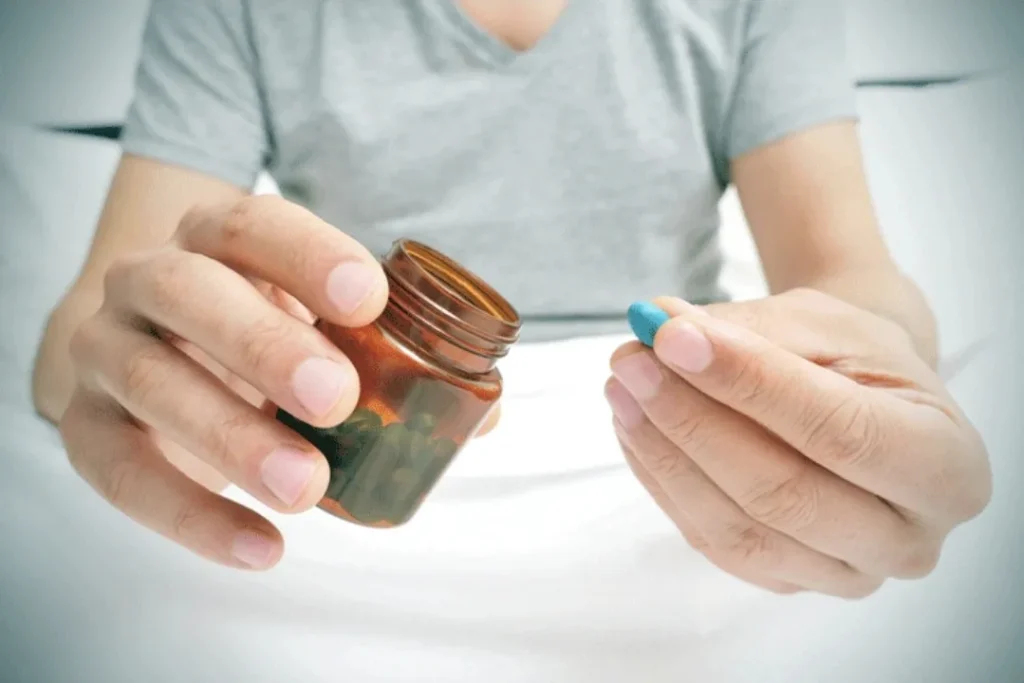
Discover why ED medications stop working and learn about effective alternatives available in Las Vegas.